Roof Cleaning Farragut, TN: How Often You Really Need It in East Tennessee
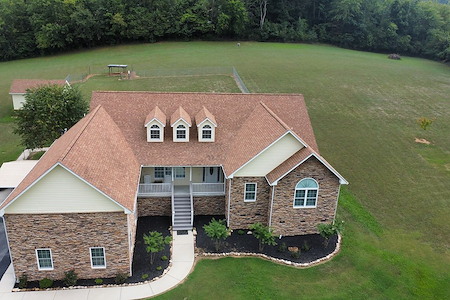
If you are seeing black streaks or patchy green growth on your shingles, you are not alone. Our humid East Tennessee climate makes algae and moss thrive. Most homes in Farragut need roof cleaning on a set schedule to stay clean and protected. This guide explains realistic timelines, what speeds up roof algae, and how a soft washing approach keeps your shingles safe.
For homeowners comparing options, here is the short answer: most roofs in Farragut benefit from a professional cleaning every 2 to 3 years, adjusted for shade, tree cover, and roof material. Keep reading to find your best maintenance schedule.
Why Roofs in Farragut Grow Algae Faster
East Tennessee summers are warm and humid, and spring pollen coats everything. Morning dew lingers on shaded roofs along Concord Road and near Fort Loudoun Lake. That moisture plus organic dust feeds a hardy algae called Gloeocapsa magma, which creates the dark streaks many people notice from the street. North-facing slopes and valleys that dry slowly are hit first.
Neighborhoods with mature trees like Fox Den and Village Green often see faster growth because overhanging limbs limit sunlight. Metal roofs dry quicker than asphalt, but they still collect grime and pollen that dull the finish. Tile and slate resist damage better, yet algae can still take hold in the pores and along mortar lines.
How Often Should You Schedule Roof Cleaning
There is no single number that works for every home, but local patterns are clear. Use these ranges as a smart starting point for Farragut and nearby areas:
- Typical asphalt shingle homes with some shade: every 24 to 36 months
- Heavily shaded lots or homes under pines and oaks: every 12 to 24 months
- Sunny, open lots with good airflow: every 36 to 48 months
- Metal roofs: every 24 to 48 months to prevent film buildup and oxidation staining
These ranges protect curb appeal and help shingles last as intended. Waiting too long allows algae colonies to harden and mix with lichen, which takes longer to remove and may require repeat treatments over time.
Factors That Change Your Cleaning Schedule
Every property in Farragut is a little different. The timing that fits your home depends on a handful of variables that either slow or speed up growth.
- Tree cover and shade patterns, especially on north and east slopes
- Roof material and age, including granule loss on older asphalt shingles
- Ventilation and attic heat, which affects how quickly the roof dries
- Prevailing wind and pollen from nearby woods and lawns
- Nearby water features like Fort Loudoun Lake that raise humidity
Think of these like dials. More shade, older shingles, and heavy pollen turn the growth dial up. Strong sun and quick drying turn it down. A quick yearly inspection from a trained technician helps set the right interval.
What Time of Year Works Best in East Tennessee
Farragut sees roof algae year-round, but timing your cleaning can improve results. Late spring and early fall are often ideal because temperatures are mild and detergents can dwell evenly. Summer works too if the day is not extremely hot. Winter cleanings still happen on suitable days, though dwell times may be longer.
Scheduling before major pollen waves or leaf drop also helps. Clean in April or May and your roof enters summer looking fresh. Clean in September or October and you head into winter with a bright surface that resists staining.
Signs Your Roof Needs Attention Now
Do a simple curbside check. If you see any of the following, you are likely due for service:
- Dark streaks that run from ridge to eave, especially on the north side
- Patchy green or pale gray areas that look like lichen or light moss
- Noticeable color mismatch between slopes after storms or a wet spring
- Granules collecting in gutters along with pine needles and leaf litter
Algae itself is not a structural issue, but it traps moisture and makes shingles run hotter in the sun. That extra heat can shorten shingle life and raise attic temperatures. Taking care of growth early is simple preventive maintenance.
How Professional Soft Washing Protects Shingles
High pressure is not the answer for roofs. It can strip shingle granules and shorten the life of your roof. A professional soft wash relies on controlled application of cleaning solutions at low pressure to loosen algae, lichen, and grime. Rinsing is gentle and allows the roof to shed growth without abrasion.
On many asphalt shingle roofs, the surface looks brighter the same day. Heavier lichen can fade over a few weeks as the roots release. This patient approach protects the roof and prevents the streaks from returning too quickly. When you work with Thorne Exterior Cleaning, you get a safe, purpose-built process from a local residential pressure washing team that understands our climate.
Never allow high-pressure washing on asphalt shingles. Ask for a soft wash method designed for roofing materials and applied by trained technicians who know how to protect landscaping and gutters.
A Simple Maintenance Schedule for Farragut Homes
Think of your roof like your landscaping plan. It needs regular care on a calendar. Here is a practical schedule many Farragut homeowners follow:
Year 1: Professional cleaning to remove existing streaks and reset the roof. Year 2: Light inspection and touch-up if needed after spring pollen. Year 3: Full cleaning if shade or tree cover is heavy, or extend to Year 4 on sunnier, open lots. Your schedule may be faster around tree-lined streets off Campbell Station Road and slower in newer, sunlit subdivisions.
Pair this with routine gutter care and you build a clean, dry system from ridge to ground. You also lock in the look of your shingles so the color stays even across every slope.
Neighborhood and Home Examples in Farragut
Homes tucked under oaks near Fox Den often need a 12 to 24 month interval. Deep shade and falling leaves keep moisture on the roof after storms. Homes near Turkey Creek with fewer trees may be fine at 24 to 36 months. Metal roofs on newer builds around the Grigsby Chapel area typically stretch to 36 months or more, but they still benefit from periodic washing so the finish does not dull.
Every home is different, even on the same street. Two similar roofs can have different needs because of one tall tree, a vent location, or the way morning dew rolls off the ridge. That is why a yearly look from a local pro helps you stay ahead of growth.
Why Sticking to a Schedule Saves You Trouble
Cleaning on a set rhythm prevents heavy buildup that can require multiple visits to remove. It also keeps gutters clearer, since less moss and grit reaches the downspouts. You maintain the look of the entire property, which helps when listing a home or preparing for an appraisal.
Waiting until the roof looks black from the street is a bad plan. By then, algae has multiplied and lichen may have rooted into the surface. Staying proactive cuts effort, saves visits, and keeps your shingles safer over time.
What Affects Growth: The Big Three
Homeowners often ask what matters most. In our area, three levers drive roof algae frequency more than anything else:
Shade and tree cover. More shade means slower drying. If branches hang over the roof, algae rarely gets a full day of sun. Trimming trees near the roofline can help the surface stay dry between cleanings.
Moisture and airflow. Valleys, north slopes, and roofs near the lake retain moisture. Good attic ventilation and clear soffits help dry the roof after rain and morning dew.
Material and roof age. Older asphalt shingles may shed more granules, which collect in valleys and grow algae faster. Metal roofs do not host algae the same way, but they still build film that needs safe cleaning.
Answering the Big Question: How Often in Farragut, TN
Bringing it all together, here is a realistic, local answer for roof algae frequency in Farragut:
If your lot is shaded or you see streaks returning within a year, plan on annual checkups and cleaning every 12 to 24 months. If your roof gets steady sun, a 24 to 36 month cycle is common. Very sunny, open lots or metal roofs can push to 36 to 48 months, with a quick check each spring after pollen season. That rhythm keeps stains from getting ahead of you and protects the look of your home.
When you are ready to set your schedule, our professional roof cleaning service is built for East Tennessee conditions and materials. We help you choose a timeline that matches how your roof actually lives day to day.
Comparing Roof Types and Expectations
Asphalt shingles make up most roofs in Farragut. Expect quick visual improvement right after a soft wash, with stubborn spots fading further over the next few weeks. Architectural shingles often show the biggest curb appeal jump because the dimensional pattern brightens evenly. For metal roofs, the goal is consistent, spot-free panels and a clean drip edge. Tile and slate clean well with careful chemistry and low pressure so joints and mortar stay intact.
Protect landscaping and runoff. A trained crew will wet down plants and manage rinse water. This keeps beds healthy and avoids spotting on siding and windows during the clean.
Linking Your Roof Plan With the Rest of the Exterior
Most staining patterns connect. If your roof is streaked, there is a good chance your siding, walkways, and patio have buildup too. Tying your roof schedule to a broader exterior plan saves time and keeps the whole property looking consistent. If you want to refresh the rest of the home at the same time, explore our residential pressure washing options for a balanced, clean finish around the property line.
For HOAs or storefronts along Kingston Pike, coordinating exterior care keeps entrances crisp and signage clean. Our commercial pressure washing services align roof, awning, and walkway cleaning so businesses look their best during busy seasons.
Set Your Best Schedule With a Local Team
It helps to start with a clear, local baseline. Book a quick evaluation, then choose a 12, 24, or 36 month interval based on shade and roof type. Put it on the calendar and forget it. If a wet spring or a heavy leaf season changes things, we can adjust. That way you are never behind the algae curve.
To explore options, learn more about roof cleaning Farragut, TN with Thorne Exterior Cleaning and get a plan that fits your home and your neighborhood.
Ready to Keep Your Roof Looking New
Clean, even shingles boost curb appeal and protect your investment. Schedule your service with Thorne Exterior Cleaning and enjoy a safer, brighter roof on a reliable timeline. Call 423-404-5456 or request a visit today to set your personalized plan for East Tennessee. Start here with our dedicated roof cleaning page and we will handle the rest.
Don’t Stress About Exterior Cleaning! Contact Our Pressure Washing Experts in Farragut & Surrounding Areas!